As global awareness of environmental issues continues to grow, the concept of sustainable living has gained significant traction, particularly in the realm of home design. Sustainable living emphasizes the importance of minimizing one’s ecological footprint while maximizing comfort and quality of life. This article delves into the principles of sustainable home design, highlighting eco-friendly materials, energy efficiency, and innovative technologies that pave the way for a greener future. At the heart of sustainable living is the idea of reducing waste and conserving resources. This begins with the materials used in home construction. Eco-friendly materials, such as reclaimed wood, bamboo, and recycled steel, are becoming increasingly popular as homeowners and builders seek to minimize the environmental impact of their projects. Reclaimed wood not only adds character and warmth to a home but also reduces the demand for new timber, preserving forests and reducing deforestation. Bamboo, known for its rapid growth and renewability, is another excellent choice for flooring and cabinetry, offering both durability and aesthetic appeal. In addition to materials, the design of a home plays a crucial role in its sustainability. Passive design strategies—such as optimizing natural light, ventilation, and thermal mass—help create energy-efficient homes that reduce reliance on artificial heating and cooling. For instance, strategically placed windows can harness sunlight, warming a home during colder months while minimizing heat gain in the summer. This thoughtful approach not only enhances comfort but also leads to significant energy savings. Energy efficiency is a fundamental aspect of sustainable living. Homeowners are increasingly turning to energy-efficient appliances, lighting, and heating systems to reduce their energy consumption. Energy Star-rated appliances, for example, consume less energy than their conventional counterparts, leading to lower utility bills and a smaller carbon footprint. Additionally, LED lighting has become the standard for eco-conscious homeowners, as it uses significantly less energy and lasts much longer than traditional incandescent bulbs. The integration of renewable energy sources, such as solar panels, has also revolutionized sustainable living. Solar energy provides a clean and abundant power source that can drastically reduce reliance on fossil fuels. Homeowners who install solar panels can not only lower their energy bills but also contribute to a more sustainable energy grid. Furthermore, many regions offer incentives and rebates for those who invest in renewable energy, making it an increasingly viable option for homeowners. Water conservation is another vital component of sustainable living. The implementation of water-efficient fixtures, such as low-flow showerheads and dual-flush toilets, can significantly reduce water consumption without sacrificing performance. Rainwater harvesting systems are also gaining popularity, allowing homeowners to collect and reuse rainwater for irrigation and other non-potable uses. By adopting these practices, homeowners can contribute to the preservation of precious water resources while enjoying the benefits of a lush, green landscape. In addition to materials and technologies, the location of a home plays a pivotal role in its sustainability. Urban areas often provide better access to public transportation, shopping, and amenities, reducing the need for long commutes and promoting a more sustainable lifestyle. Choosing to live in walkable neighborhoods encourages physical activity and fosters a sense of community, further enhancing the quality of life. Sustainable living also encompasses the concept of “biophilic design,” which seeks to create a connection between individuals and nature. Incorporating natural elements, such as indoor plants, green roofs, and living walls, into home design can improve indoor air quality, reduce stress, and enhance overall well-being. By bringing nature indoors, homeowners can create tranquil environments that promote relaxation and rejuvenation. The rise of smart home technology has further advanced the pursuit of sustainable living. Smart home systems allow homeowners to monitor and control their energy consumption in real time. For instance, smart thermostats can learn a household’s schedule and adjust heating and cooling settings accordingly, ensuring that energy is not wasted. Additionally, smart irrigation systems can optimize water usage in gardens and landscapes, ensuring plants receive the right amount of moisture without overwatering. While the benefits of sustainable living are substantial, there are also challenges to consider. The initial costs associated with eco-friendly materials and renewable energy systems can be daunting for some homeowners. However, it is essential to recognize that many of these investments lead to long-term savings through reduced energy bills and increased property value. Additionally, as demand for sustainable products continues to rise, prices are expected to decrease, making them more accessible to a broader audience. In conclusion, sustainable living represents a paradigm shift in how we approach home design and construction. By embracing eco-friendly materials, energy-efficient technologies, and thoughtful design principles, homeowners can create spaces that not only enhance their quality of life but also contribute to a healthier planet. As awareness of environmental issues continues to grow, the movement toward sustainable living will undoubtedly shape the future of home design, encouraging individuals to take an active role in preserving the earth for generations to come. The journey toward sustainability may require effort and investment, but the rewards—a more comfortable, cost-effective, and environmentally conscious lifestyle—are well worth it.
Related Posts
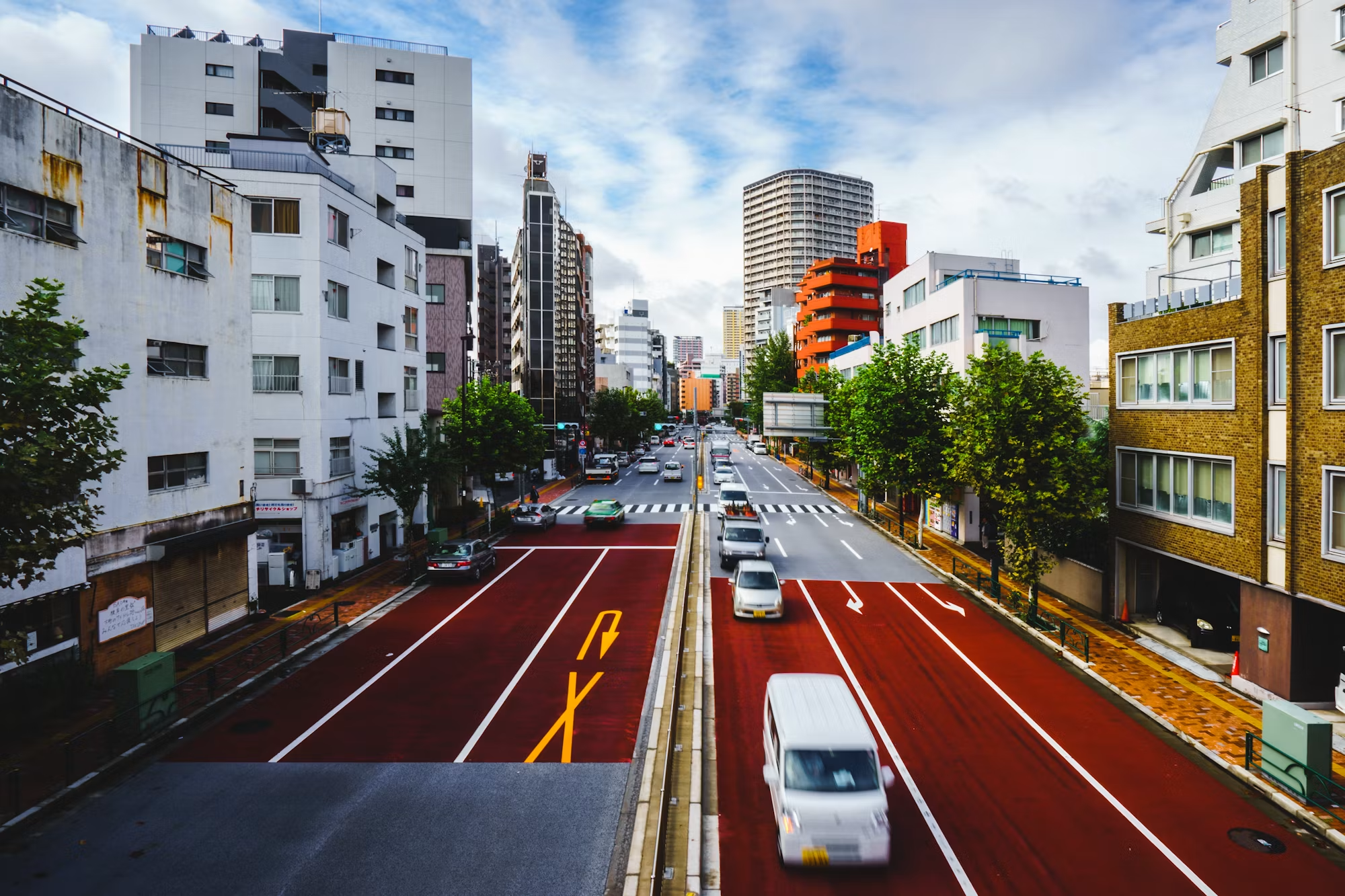
Revitalizing Urban Spaces: The Rise of Mixed-Use Developments
In recent years, urban planners and developers have increasingly embraced…

Capital Cities: The Dynamic Intersection of Governance and Real Estate
Capital cities hold a unique position in the urban landscape,…

Urban Mobility: Transforming Real Estate through Innovative Transportation Solutions
As urban areas continue to grow, the need for effective…